
Table of Contents
Pseudotumors
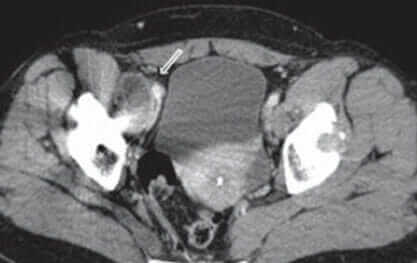
A pseudotumor is a large, solid, or semi-liquid mass of soft tissue growth inside the body, usually around the hip joint.
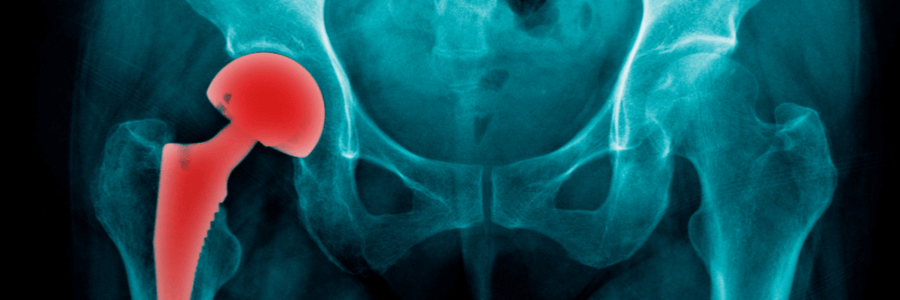
You may be at risk of this complication if you have a metal on metal (MoM) hip replacement. Typically, pseudotumors form as a negative reaction to metal debris.
When the metal ball and metal cup of the hip implant rub together, this results in enough friction to shed these cobalt and chrome particles into the bloodstream, muscle, and tissue.
The main symptoms of a pseudotumor are pain, swelling, and clicking at the hip site. Pseudotumor formation has been associated with high blood levels of cobalt and/or chromium. These lesions or masses are not malignant, so they should not be confused with cancerous tumors. However, they can pose serious health problems.
Causes of Pseudotumors in Metal on Metal Hip Patients
There are several theories as to what causes pseudotumors to form in people with metal on metal hip implants, including:
- Worn particles coming off of the device.
- An increase in metal ion levels in the blood caused by debris from the replacement device.
- Hypersensitivity.

Find out now if you have a defective metal hip injury claim
Your case review is free. Find out how to preserve evidence in your case.
Symptoms of Pseudotumors
Many people with pseudotumors will have NO symptoms at all. However, for those who DO have symptoms, they may not show up until many years after the hip replacement operation. Those symptoms can include:
- Pain around the hip or groin areas
- Swelling, including around the foot or ankle
- Clicking sound in the hip
- Hip joint dislocating
- Decreased range of motion

Download our “How to find out what kind of hip replacement you have” guide
Click to DownloadDiagnosis of Pseudotumors
In many cases, pseudotumors will not show up on X-Rays. Consequently, if your doctor suspects you have a pseudotumor, he or she may order a combination of these diagnostic tools in addition to X-Rays:
- MRI
- Ultrasound
- CT scan
- Blood test
- Aspiration: A needle is used to drain fluid from the joint to rule out infection.
Click Here To See a List of Revision Surgeons Listed by State
Find a Revision SurgeonMetal Hips Complications
If a pseudotumor has destroyed enough surrounding tissue, a right or left hip Girdlestone may become the only viable surgical path forward.
Talk to an Experienced Metal Hip Replacement Attorney Today
Pseudotumors and other adverse tissue reactions can develop silently for years before causing pain, mobility problems, or the need for revision surgery. If you received a metal-on-metal hip implant and have since been diagnosed with a pseudotumor, metallosis, or elevated metal ion levels, you may be entitled to compensation for your medical bills, lost wages, and pain and suffering.
At mctlaw, our attorneys focus on holding medical device manufacturers accountable when defective products cause serious harm. We’ve helped clients across the country navigate the complexities of metal-on-metal hip replacement lawsuits, from identifying the implant involved to pursuing the full compensation they deserve.
If you’re ready to discuss your diagnosis and find out whether you have a claim, contact us today for a free, no-obligation case review.

Michele Stephan-Arsenault handles product liability cases in state and federal courts throughout the country. Ms. Stephan-Arsenault has represented clients in civil litigation for over 25 years. At mctlaw she litigates cases for clients with defective hip replacements and defective drug and pharmaceutical lawsuits. Ms. Stephan-Arsenault is a member of the Twelfth Judicial Circuit Pro Bono Committee and a Director of the Sarasota County Bar Association.