
Table of Contents
Olympus Endoscope Infection Recall Lawsuit
The FDA issued a serious Class 1 recall involving Olympus endoscope accessories, specifically forceps/irrigation plugs, because of concerns that these parts may not be fully cleaned and disinfected between uses. When reusable devices cannot be properly cleaned, bacteria can stay on the equipment and pass from one patient to the next.
If an infection developed after an endoscopy, and especially if recovery did not go as expected, it may be worth looking into whether a contaminated Olympus endoscope or accessory played a role.
FDA Warning About Olympus Endoscope Infection Risk After Endoscopy Procedures
The FDA warning focuses on accessories used with Olympus endoscopes. These are small parts, but they matter. The warning says certain forceps/irrigation plugs may be difficult to fully clean which can increase the risk of contamination.
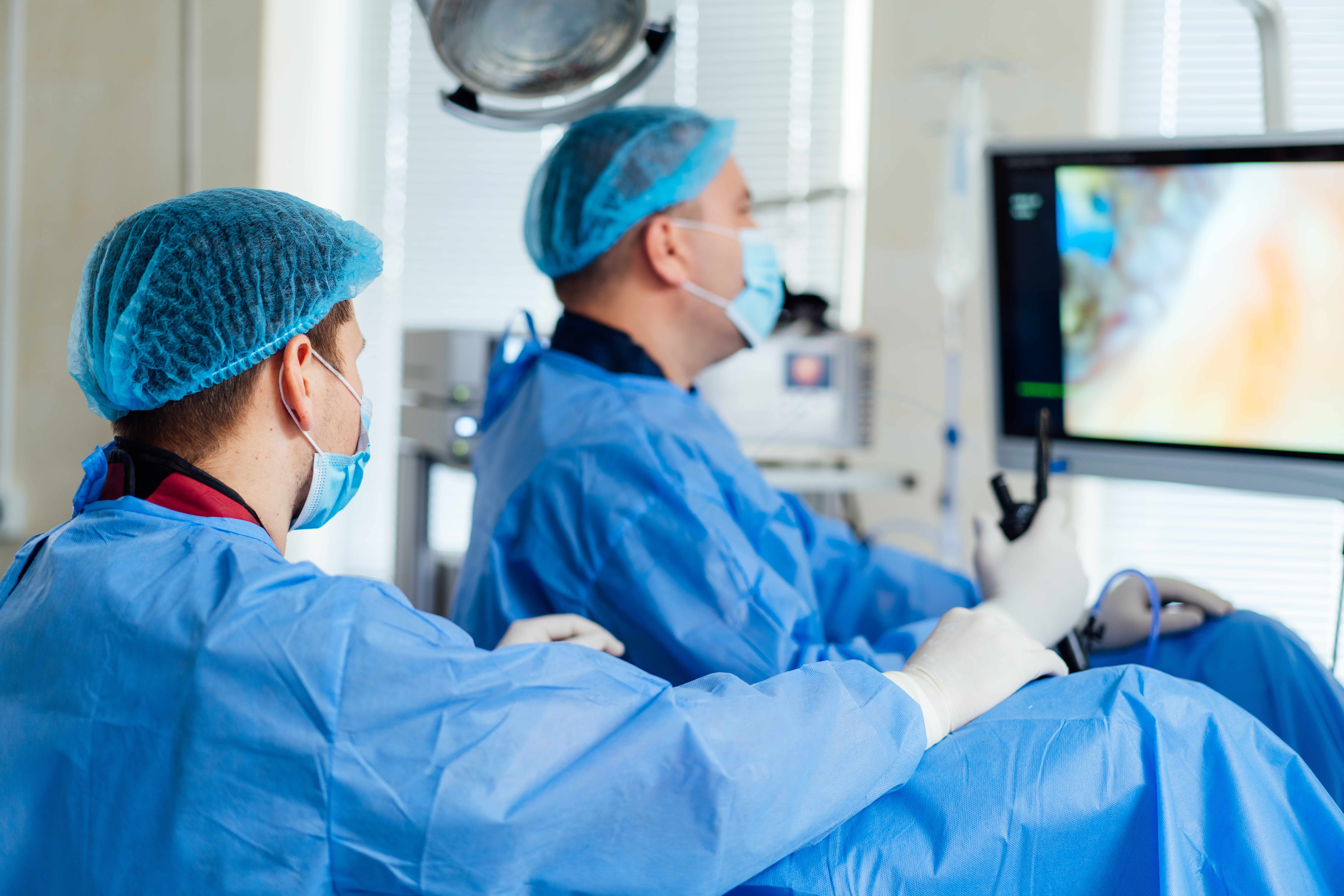
Endoscopes are reusable tools used to examine and treat conditions inside the digestive tract. If any part of the equipment holds onto biological material after cleaning, bacteria may still be present when the device is used again.
That means a person can show up for a routine procedure and leave with an infection that should have never happened.
Olympus Endoscope Recall: What Patients Need to Know About Infection Risk
Some Olympus endoscope accessories may trap small amounts of biological material in areas that are difficult to clean out. Even when hospital staff follow disinfection instructions, those areas may not get completely clean.
Over time, bacteria can remain on the device and spread during future procedures. This is one reason endoscope-related infections have gotten so much attention from regulators, hospitals, and patients.
For patients, the most frustrating part is that these infections may happen without any warning. A person can do everything right, get the care they need, and still end up dealing with a painful and serious infection.
Symptoms of Infection After Endoscopy or ERCP Procedures
Many people do not realize at first that their symptoms may be connected to the procedure.
Infections linked to this contaminated medical equipment often appear within days or weeks after an endoscopy or ERCP (Endoscopic retrograde cholangiopancreatography). Common symptoms can include fever, chills, abdominal pain, nausea, vomiting, weakness, or a general feeling that something is not right.
Some infections are treatable with antibiotics, but others become much more serious. In severe cases, the infection can spread through the body and lead to sepsis, which is a life-threatening condition. Some patients need to be hospitalized, undergo additional procedures, or deal with lasting health problems.
If recovery after an endoscopy felt unusual, delayed, or much worse than expected, that may be an important warning sign.
Free Case Evaluation for Olympus Endoscope Infection
If serious injury or death occurred after using Olympus Endoscope, a legal claim may be possible.
mctlaw offers free case evaluations. The team will review the facts, explain potential options, and help determine the next steps. There is no pressure and no obligation.
How to Tell if an Infection After Endoscopy May Be Linked to an Olympus Endoscope
One of the hardest parts for patients is not knowing what caused the infection.
Most people are never told the brand or model of the device used during their procedure. Medical records can help answer those questions, but many people do not have those records right away. Even so, there are signs that may suggest a contaminated endoscope should be considered.
If recovery did not follow the normal course, and an infection developed unexpectedly, it may make sense to investigate whether the device was part of the problem.
You do not need to have every answer before reaching out. The key is recognizing when something does not add up.
Timing is often one of the biggest clues. If symptoms started soon after the procedure, that may matter. The kind of infection can also be important, especially if doctors described it as unusual, serious, or difficult to treat.
Hospitals Reporting Infection Outbreaks From Olympus Endoscopes
This recall did not happen without warning. For years, hospitals and medical facilities have reported infection outbreaks linked to endoscope use, including Olympus devices. In some cases, hospitals later contacted patients to warn them that they may have been exposed to harmful bacteria during a prior procedure.
Some of the most widely reported facilities include:
- Ronald Reagan UCLA Medical Center in Los Angeles
- Cedars-Sinai Medical Center in Los Angeles
- Virginia Mason Medical Center in Seattle
- Advocate Lutheran General Hospital in Park Ridge, Illinois
- Carolinas HealthCare System in Charlotte, now known as Atrium Health
In some of these situations, patients had no symptoms at the time they were notified. Others later developed serious infections with antibiotic-resistant bacteria.
These outbreaks matter because they show this has been a known issue for years. They also show that infections can happen even when hospitals follow cleaning instructions, raising serious questions about whether the design of the device or its accessories made proper disinfection difficult.
Timeline of Olympus Endoscope Infection Warnings and FDA Safety Alerts
The recent FDA warning is part of a much longer timeline of concerns involving Olympus endoscopes and infection risk.
- In the early 2010’s concerns began to grow when hospitals started reporting unusual infection patterns after certain endoscopic procedures, especially ERCP procedures.
- By 2013 and 2014, investigators were finding that infections could happen even when hospitals appeared to be following accepted cleaning protocols.
- In 2015, the FDA publicly warned that certain duodenoscopes could spread infection despite proper reprocessing and cleaning. Around the same time, hospitals began issuing patient notifications after discovering that patients may have been exposed to dangerous bacteria.
In the years that followed, there were efforts to improve cleaning instructions, change reprocessing methods, and redesign some device parts. Regulators also pushed manufacturers to explore disposable parts and safer alternatives. Even so, reports of contamination and infection continued.
The latest FDA alert involving Olympus forceps/irrigation plugs suggests that the underlying problem has not been resolved. For many patients and families, that raises an obvious question: if these risks were known, should more have been done sooner?
Who Can File an Olympus Endoscope Infection Lawsuit
A person may have a legal claim if they underwent an endoscopy, ERCP, or similar procedure and then developed a serious infection afterward.
In general, stronger cases involve infections that require meaningful medical treatment. That may include antibiotics, hospitalization, follow-up procedures, treatment for sepsis, or ongoing care for lasting complications.
A person may still have a potential case even if they do not yet know exactly which device was used. The timing of symptoms, the seriousness of the infection, and the surrounding medical records may be enough to begin investigating whether an Olympus endoscope or accessory was involved.
Why Olympus Endoscope Infection Lawsuits Are Being Filed
Medical device manufacturers are expected to make products that are reasonably safe and that can be used and cleaned as intended.
When a device cannot be properly disinfected between uses, patients may be exposed to a hidden danger they never agreed to take on. These are not the kinds of risks most people expect after a routine procedure.
Lawsuits involving contaminated or defective medical devices are being filed to hold manufacturers accountable for preventable harm. These claims may seek compensation for medical bills, lost income, pain and suffering, long-term health complications, and other losses.
These cases also serve another purpose. They can bring attention to serious safety problems and help push manufacturers toward safer designs and better warnings.
How mctlaw Evaluates Olympus Endoscope Infection Cases
If an infection developed after a procedure, it is completely normal to have questions about what went wrong.
mctlaw focuses on cases like these and understands that most people are starting with very little information. The goal is to look at the full picture and figure out whether a contaminated device may have played a role.
The process usually starts with a conversation about what happened, when the procedure took place, when symptoms began, and how serious the infection became. From there, the firm looks for patterns that may point to a connection.
Some of the key things mctlaw considers include:
- An infection that developed soon after an endoscopic procedure
- Medical treatment such as antibiotics, hospitalization, or follow-up procedures
- Serious complications like sepsis or long-term health effects
- Signs that the infection may be connected to the procedure, especially if the procedure itself was considered low risk
The firm may also look at whether the infection involved bacteria known to be linked to past endoscope outbreaks.
If the situation appears to meet these criteria, mctlaw can begin gathering medical records, reviewing how the procedure was performed, and working with experts to better understand what happened.
Even without full records, it is possible to begin the process and determine whether the case should be investigated further.
How mctlaw Handles Medical Device and Product Liability Cases
Cases involving medical devices like endoscopes are part of a broader area of law called medical product liability. These cases focus on whether a drug, device, or tool was designed or manufactured in a way that made it unreasonably dangerous.
mctlaw represents individuals across the United States who were harmed by defective medical products and other dangerous consumer products. In a case like this, the issue is not whether a doctor made a mistake. The issue may be whether the device itself created a risk that patients should never have faced.
These cases often involve questions such as whether the product was designed in a way that made proper cleaning difficult or impossible, whether the manufacturer knew about infection risks and failed to act quickly enough, whether safer designs were available, and whether adequate warnings were given.
Medical product liability cases can be complex because they require both medical evidence and technical information about how the product works. mctlaw works to build these cases carefully and clearly, with the goal of showing how a defective product may have caused preventable harm.
Contact a Lawyer for Infection After an Endoscopy
Dealing with an infection after a medical procedure can feel overwhelming, especially when there are more questions than answers.
There may be legal options available, and getting clear information can help. Reaching out does not mean committing to a lawsuit. It means finding out whether the infection may be connected to a recalled or unsafe device and whether the situation deserves a closer look.
mctlaw offers free case evaluations for people who developed serious infections after endoscopy or ERCP procedures. If an Olympus endoscope or accessory was involved, our legal team can help review what happened and explain the next steps.
Honors & Awards:






Featured on:
















Michael Cowgill is an experienced attorney in the product liability division at mctlaw. Michael focuses his practice on defective medical devices such as recalled metal-on-metal hips and wrongful death lawsuits involving Kratom. Mr. Cowgill graduated Magna Cum Laude from Lewis & Clark Law School in Portland, OR. He volunteers as a high school mentor with a program for underprivileged youths interested in pursuing a future legal career.