
Table of Contents
Where Can I Get a Metal Ion Blood Test?
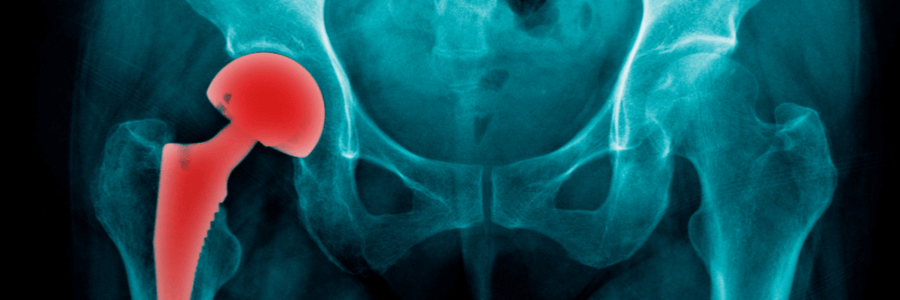
If you have a metal on metal hip, doctors recommend getting regular blood tests to make sure your Metal on Metal hip replacement isn’t shedding microscopic particles into your body and bloodstream.
Some physicians may not suggest this type of blood work if you don’t have any symptoms. However, you can request a cobalt-chromium blood test without a doctor’s referral.
Cobalt and chromium blood levels can be measured at most medical labs. The labs listed provide cobalt and chromium blood tests for individuals with MoM implants, with or without a physician referral.
Labs Offering Metal Ion Blood Testing to the Public
Why Should I Get Tested for Metal Ions?
Research consistently shows that metal-on-metal hip implants can release microscopic cobalt and chromium particles into the blood. These particles can cause various types of metal poisoning, including Metallosis, ALVAL, ARMD, and ALTR. All of these reactions can lead to severe health complications.
The FDA says metal ion testing is important for patients to find out if they’re reacting to a metal on metal hip replacement.
The FDA report only suggests patients who have symptoms get blood testing. But, many leading orthopedic surgeons recommend metal on metal hip patients get blood testing every three months for as long as they have a metal hip implant.

Click Here To See a List of Revision Surgeons Listed by State
Find a Revision SurgeonComplications from a Metal on Metal Hip Replacement?
mctlaw attorneys are highly experienced in representing clients in these types of cases. They filed the FIRST case in the US against a manufacturer of defective metal on metal hip replacements.
What amount of metal in my blood is considered “unsafe”?
The FDA previously maintained that a safe level of metal ions in your blood is below 7.0 parts per billion for patients with metal-on-metal hips.
However, those guidelines became less clear in 2018, when the FDA shared the results of their three-year post-market surveillance study of metal-on-metal hip implants.
The FDA report, which examined over 2,000 failed metal-on-metal implant cases, found “the standard blood level threshold measurement of 7.0 parts per billion (micrograms/liter) or higher for metal ions, is not optimal to determine if an implant is functioning safely.”
It showed that some patients with higher levels of metal blood ions had no complications, while other patients with much LOWER metal ion levels experienced serious reactions.
The FDA suggests metal ion blood testing for hip patients should be used in combination with other tests like CT scans, MARS MRIs and ultrasound.
Symptoms of a Defective Metal-on-Metal Hip
Patients with high blood levels may also experience other symptoms related to a defective metal on metal hip. These include:
- Pain or swelling in the hip joint
- Popping or clicking in the hip
- Apparent dislocation in the hip
- Pain when walking or bearing weight on the hip
Metal Hips Complications

Michele Stephan-Arsenault handles product liability cases in state and federal courts throughout the country. Ms. Stephan-Arsenault has represented clients in civil litigation for over 25 years. At mctlaw she litigates cases for clients with defective hip replacements and defective drug and pharmaceutical lawsuits. Ms. Stephan-Arsenault is a member of the Twelfth Judicial Circuit Pro Bono Committee and a Director of the Sarasota County Bar Association.