
Table of Contents
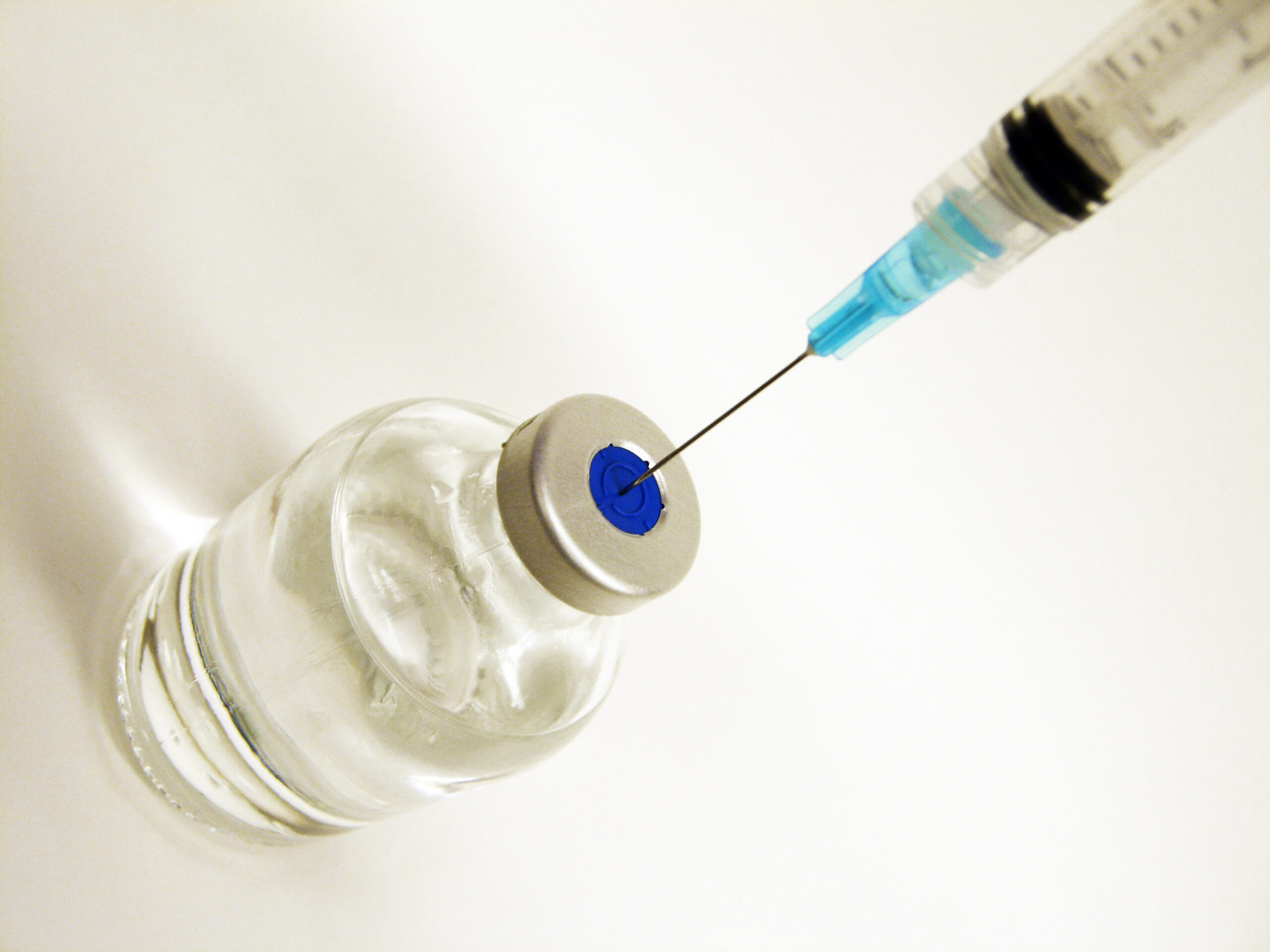
Pneumococcal vaccines like Prevnar 13 and Prevnar 20 protect millions of older adults from pneumonia and other serious infections. A study published in July 2026 in the journal Vaccine found a possible link between these vaccines and Guillain-Barré syndrome (GBS), a rare disorder that attacks nerves.
What is Guillain-Barré Syndrome?
GBS is a disorder in which the immune system turns on the body’s own nerves. Early signs include tingling hands and feet, unsteady walking, or weakness in the legs and extremities. GBS can worsen over days or weeks, and serious cases may need hospital care or breathing support. Recovery can take months, and some people are left with lasting nerve damage or paralysis.
How the researchers looked for a link between Prevnar and GBS
The study came from the Vaccine Safety Datalink (VSD), a CDC partnership with large health systems that monitors vaccine safety using real patient records. Researchers from the Harvard Pilgrim Health Care Institute and the Centers for Disease Control and Prevention (CDC) led the work.
The research team looked at 2,584 adults diagnosed with GBS between 2017 and 2023 and asked whether those diagnoses occurred in the weeks right after getting a pneumococcal vaccine.
Findings for Prevnar and other pneumococcal vaccines
Pneumococcal vaccines produced a statistically significant signal for a link to GBS. The signal appeared in the first 21 days and the first 42 days after vaccination.
The strongest results involved Prevnar 13 and Prevnar 20. GBS diagnoses happened at about three times the expected rate. The researchers estimated 4 to 6 additional GBS cases occurred per 1 million doses of Prevnar 13 or Prevnar 20.
A longer period of risk
The timing for GBS onset after getting a Prevnar vaccination looked different from other vaccines in the study. After flu shots or Tdap, extra GBS cases appeared in the first three weeks and then faded back to normal.
After Prevnar 13 and Prevnar 20, the rate of GBS diagnoses was highest in the first three weeks. But it stayed above normal through weeks four, five and six before ramping down. The numbers in those later weeks are small, but the pattern suggests the risk of getting GBS from these vaccines may last longer than three weeks.
Is GBS after a Prevnar vaccine a covered vaccine injury?
Prevnar 13 and Prevnar 20 are both covered by the National Vaccine Injury Compensation Program (VICP), the federal no-fault program for people hurt by certain vaccines. The program covers adults as well as children, so older adults injured after a Prevnar shot can file a claim. Pneumovax 23, the older polysaccharide vaccine, is not covered.
GBS is a recognized vaccine injury in the VICP, but for pneumococcal vaccines, it means the injured person must show that the vaccine more likely than not caused GBS. That takes an expert medical explanation of how the vaccine can cause GBS, a clear connection between the vaccine and the illness in that person’s case, and timing that makes sense, among other criteria. It’s also why hiring a vaccine injury lawyer to handle this complex process is so important.
How the Prevnar GBS study can support a vaccine injury claim
New research like this study can help bring these claims in the VICP. It offers large-scale data from the CDC’s own vaccine safety system pointing to a link between Prevnar and GBS. And its timing data suggest the period of risk may last up to six weeks after vaccination.
The VICP generally requires that the injury lasts longer than six months or leads to a hospital stay with surgery. A VICP award can pay for medical bills, lost income and pain and suffering. The Court pays attorney fees separately, so they never come out of the injured person’s money.
Talk with a vaccine injury lawyer about GBS after prevnar
If GBS developed after a covered pneumococcal vaccine, mctlaw can review the case. mctlaw represents people with GBS and other vaccine injuries in the VICP nationwide. Contact us at 888.952.5242 for a case evaluation.
Sources:
Yih WK et al., Vaccine, 2026: tree-based scan statistics and GBS in the Vaccine Safety Datalink
CDC presentation to ACIP, October 2024: PCV20 safety, including GBS findings